
The Thrill of Anticipation
The element of suspense is a powerful attraction for many casino patrons. When players place their bets, they enter into a world filled with uncertainty and excitement. The prospect of winning big creates an adrenaline rush, making every spin of the slot machine or roll of the dice an electrifying experience. This anticipation captivates the imagination, as players often envision the life-changing possibilities that accompany a jackpot, especially when considering an online casino for their next game. The uncertainty of the outcome is akin to a rollercoaster ride, where the anticipation enhances the thrill.
Moreover, this thrill can be amplified by the atmosphere within a casino. Bright lights, sounds of jingling coins, and the cheers of other patrons contribute to an exhilarating environment. These sensory experiences create a heightened emotional state, making it difficult for individuals to resist the allure of gambling. They find themselves drawn to the games, craving the rush that accompanies each new chance to win. This emotional connection can often lead to extended gaming sessions, as players become engrossed in the pursuit of excitement.
In addition, gambling’s unpredictability is linked to a psychological phenomenon known as variable reinforcement. This occurs when rewards are given out at irregular intervals, reinforcing behavior by making it more compelling. A player might lose several rounds in a row but then hit a modest win, igniting the hope for a bigger payout. This cycle of hope and excitement keeps players engaged, creating an ongoing desire to partake in gambling activities. The thrill of anticipation thus serves as a strong motivator for individuals seeking entertainment and an escape from daily life.
Social Interaction and Community
Casinos often serve as social hubs where individuals come together to share experiences and foster connections. Gambling can be a communal activity, with players often engaging in conversation and cheering for one another’s successes. This social aspect adds layers to the gambling experience, making it more enjoyable for many. The camaraderie formed among players fosters a sense of belonging and can lead to new friendships developed over shared interests.
For some, visiting a casino is a way to bond with family and friends during special occasions. Celebrations such as birthdays or anniversaries frequently involve a trip to the casino, turning the act of gambling into a celebratory event. The thrill of the games coupled with the company of loved ones enhances the overall experience, making it more memorable. The social dynamics of gambling can create an environment where laughter and excitement thrive, further reinforcing players’ return to casinos.
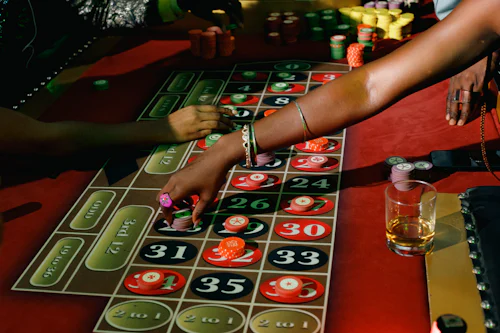
Additionally, casinos often host tournaments and events that foster a sense of competition among attendees. This dynamic encourages players to engage not only with the games but also with each other, as they strive to achieve victory in a friendly yet competitive environment. The joy of shared experiences and collective excitement can entice individuals to gamble more frequently, as they seek out the community aspect just as much as the games themselves. In this way, social interaction plays a critical role in the appeal of casinos.
The Escape from Reality
For many, casinos provide a temporary refuge from the pressures of daily life. Gambling offers an avenue for escapism, allowing individuals to forget their worries and immerse themselves in the thrill of the moment. The vibrant atmosphere of a casino, filled with laughter, joy, and excitement, can be appealing for those seeking a break from their routine. Engaging in games can serve as a distraction from life’s challenges, providing an enjoyable respite.
This escape is further enhanced by the unique environment designed to facilitate relaxation and entertainment. The lavish décor, fine dining, and luxurious amenities create an immersive experience that transports players to a world where their problems are temporarily lifted. For many, this sensory overload can be a form of therapy, as they lose themselves in the excitement of gambling. This aspect of gaming provides a welcome break from reality, drawing individuals back time and again.
Moreover, for some gamblers, the allure of a potential financial windfall offers them a glimmer of hope for a better future. The prospect of winning money can create a sense of optimism that contrasts sharply with the struggles they may face in their everyday lives. This perceived avenue to wealth can be enticing enough to keep individuals returning, as they chase not just financial gain but also the fleeting feeling of freedom and contentment that gambling can provide.
The Psychology of Winning
The psychological impact of winning, even on a small scale, can be significant in shaping a person’s gambling behavior. Players often experience a surge of excitement when they win, leading to a sense of validation and accomplishment. This sense of success can trigger the release of dopamine, a neurotransmitter associated with pleasure, reinforcing the enjoyment of gambling. The elation of winning serves as a powerful motivator, encouraging gamblers to continue playing in hopes of replicating that rush.

Additionally, cognitive biases play a role in how gamblers perceive their odds. Many believe they possess certain skills or strategies that enhance their chances of winning, despite the inherent randomness of games. This overconfidence can lead to continued gambling, as individuals convince themselves that they can outsmart the odds. The illusion of control becomes a compelling part of the experience, driving them to increase their betting frequency as they chase that next big win.
Furthermore, the phenomenon of “near misses” can reinforce gambling behavior. When players come close to winning, like hitting the jackpot on a slot machine just one symbol away, they may feel encouraged to keep playing in a bid to finally achieve that elusive win. This psychological manipulation enhances the allure of casino games, making it difficult for individuals to walk away. As a result, the psychology of winning becomes a critical factor in understanding why people gamble at casinos and why they often return, hoping for a repeat of past successes.
Exploring the Role of Online Content
In today’s digital age, online casinos and gambling-related content have transformed the landscape of gambling. With the rise of the internet, individuals now have the opportunity to engage in gambling activities from the comfort of their homes. This shift has increased accessibility, allowing more people to explore their interest in gaming. With countless websites dedicated to casino games, players can easily find ways to participate without needing to visit a physical location.
Moreover, the advent of streaming services and social media has created a culture around gambling that extends beyond the tables. Players can share their experiences, strategies, and big wins with a global audience. This exposure can create an enticing atmosphere, inspiring others to try their luck at online casinos. Content creators often showcase gameplay, reviews, and tutorials that demystify the gambling process, expanding the appeal of casinos among diverse populations.
The growth of online gambling has also allowed for greater interaction and community building. Online forums and content-sharing platforms enable players to connect over shared interests, discussing strategies and fostering a sense of camaraderie. This virtual engagement echoes the social aspects of traditional casinos, allowing individuals to experience the community vibe without stepping foot outside their homes. As the online gambling world continues to evolve, it presents an exciting frontier for enthusiasts seeking entertainment and connection.